The Old Schoolhouse®
  • Home
  • Start Here
    • What is Homeschooling?
    • Am I Really Qualified?
    • SchoolhouseTeachers.com
    • TryHomeschooling.com
    • Resource Guides
      • Website Resource Guides
      • Magazine Resource Guides
    • Homeschool Directories
    • Schoolhouse Devotions
    • The Homeschool Minute
    • Hey, Mama! Show
    • Spotlight on Academics
    • Homeschool College Directory
  • Schoolhouses
    • What Is a Schoolhouse?
    • Host Schoolhouse
    • Start a Co-op at Your Church
    • Curriculum Overview
    • The Pastor Plan
    • Free Access for Pastors
    • Find a Schoolhouse (Coming Soon)
  • TOS HomeRoom
  • Magazine
    • Read the Latest Issue
    • Magazine Archive
    • Writer’s Guidelines and Upcoming Themes
    • TOS Magazine Highlights
  • About
    • Meet Our Directors
    • Meet the Staff
    • Statement of Faith
    • Mission Statement
    • PressRoom
    • Legal – Privacy Policy
    • Contact Us
    • Advertise With Us
  • Store
    • My Account
  • MY CART
    No products in cart.

April 1, 2026 – Math: Why is it so Hard?

by rneace-4507 / Monday, 30 March 2026 / Published in
LnRiLWJ1dHRvbntjb2xvcjojZjFmMWYxfS50Yi1idXR0b24tLWxlZnR7dGV4dC1hbGlnbjpsZWZ0fS50Yi1idXR0b24tLWNlbnRlcnt0ZXh0LWFsaWduOmNlbnRlcn0udGItYnV0dG9uLS1yaWdodHt0ZXh0LWFsaWduOnJpZ2h0fS50Yi1idXR0b25fX2xpbmt7Y29sb3I6aW5oZXJpdDtjdXJzb3I6cG9pbnRlcjtkaXNwbGF5OmlubGluZS1ibG9jaztsaW5lLWhlaWdodDoxMDAlO3RleHQtZGVjb3JhdGlvbjpub25lICFpbXBvcnRhbnQ7dGV4dC1hbGlnbjpjZW50ZXI7dHJhbnNpdGlvbjphbGwgMC4zcyBlYXNlfS50Yi1idXR0b25fX2xpbms6aG92ZXIsLnRiLWJ1dHRvbl9fbGluazpmb2N1cywudGItYnV0dG9uX19saW5rOnZpc2l0ZWR7Y29sb3I6aW5oZXJpdH0udGItYnV0dG9uX19saW5rOmhvdmVyIC50Yi1idXR0b25fX2NvbnRlbnQsLnRiLWJ1dHRvbl9fbGluazpmb2N1cyAudGItYnV0dG9uX19jb250ZW50LC50Yi1idXR0b25fX2xpbms6dmlzaXRlZCAudGItYnV0dG9uX19jb250ZW50e2ZvbnQtZmFtaWx5OmluaGVyaXQ7Zm9udC1zdHlsZTppbmhlcml0O2ZvbnQtd2VpZ2h0OmluaGVyaXQ7bGV0dGVyLXNwYWNpbmc6aW5oZXJpdDt0ZXh0LWRlY29yYXRpb246aW5oZXJpdDt0ZXh0LXNoYWRvdzppbmhlcml0O3RleHQtdHJhbnNmb3JtOmluaGVyaXR9LnRiLWJ1dHRvbl9fY29udGVudHt2ZXJ0aWNhbC1hbGlnbjptaWRkbGU7dHJhbnNpdGlvbjphbGwgMC4zcyBlYXNlfS50Yi1idXR0b25fX2ljb257dHJhbnNpdGlvbjphbGwgMC4zcyBlYXNlO2Rpc3BsYXk6aW5saW5lLWJsb2NrO3ZlcnRpY2FsLWFsaWduOm1pZGRsZTtmb250LXN0eWxlOm5vcm1hbCAhaW1wb3J0YW50fS50Yi1idXR0b25fX2ljb246OmJlZm9yZXtjb250ZW50OmF0dHIoZGF0YS1mb250LWNvZGUpO2ZvbnQtd2VpZ2h0Om5vcm1hbCAhaW1wb3J0YW50fS50Yi1idXR0b25fX2xpbmt7YmFja2dyb3VuZC1jb2xvcjojNDQ0O2JvcmRlci1yYWRpdXM6MC4zZW07Zm9udC1zaXplOjEuM2VtO21hcmdpbi1ib3R0b206MC43NmVtO3BhZGRpbmc6MC41NWVtIDEuNWVtIDAuNTVlbX0gLnRiLWJ1dHRvbltkYXRhLXRvb2xzZXQtYmxvY2tzLWJ1dHRvbj0iMWJjNWY5NGFhOWJjZmEwOGYzZDEwNmRiMjk2YjgzYzYiXSB7IHRleHQtYWxpZ246IGNlbnRlcjsgfSAudGItYnV0dG9uW2RhdGEtdG9vbHNldC1ibG9ja3MtYnV0dG9uPSIxYmM1Zjk0YWE5YmNmYTA4ZjNkMTA2ZGIyOTZiODNjNiJdIC50Yi1idXR0b25fX2ljb24geyBmb250LWZhbWlseTogZGFzaGljb25zOyB9IEBtZWRpYSBvbmx5IHNjcmVlbiBhbmQgKG1heC13aWR0aDogNzgxcHgpIHsgLnRiLWJ1dHRvbntjb2xvcjojZjFmMWYxfS50Yi1idXR0b24tLWxlZnR7dGV4dC1hbGlnbjpsZWZ0fS50Yi1idXR0b24tLWNlbnRlcnt0ZXh0LWFsaWduOmNlbnRlcn0udGItYnV0dG9uLS1yaWdodHt0ZXh0LWFsaWduOnJpZ2h0fS50Yi1idXR0b25fX2xpbmt7Y29sb3I6aW5oZXJpdDtjdXJzb3I6cG9pbnRlcjtkaXNwbGF5OmlubGluZS1ibG9jaztsaW5lLWhlaWdodDoxMDAlO3RleHQtZGVjb3JhdGlvbjpub25lICFpbXBvcnRhbnQ7dGV4dC1hbGlnbjpjZW50ZXI7dHJhbnNpdGlvbjphbGwgMC4zcyBlYXNlfS50Yi1idXR0b25fX2xpbms6aG92ZXIsLnRiLWJ1dHRvbl9fbGluazpmb2N1cywudGItYnV0dG9uX19saW5rOnZpc2l0ZWR7Y29sb3I6aW5oZXJpdH0udGItYnV0dG9uX19saW5rOmhvdmVyIC50Yi1idXR0b25fX2NvbnRlbnQsLnRiLWJ1dHRvbl9fbGluazpmb2N1cyAudGItYnV0dG9uX19jb250ZW50LC50Yi1idXR0b25fX2xpbms6dmlzaXRlZCAudGItYnV0dG9uX19jb250ZW50e2ZvbnQtZmFtaWx5OmluaGVyaXQ7Zm9udC1zdHlsZTppbmhlcml0O2ZvbnQtd2VpZ2h0OmluaGVyaXQ7bGV0dGVyLXNwYWNpbmc6aW5oZXJpdDt0ZXh0LWRlY29yYXRpb246aW5oZXJpdDt0ZXh0LXNoYWRvdzppbmhlcml0O3RleHQtdHJhbnNmb3JtOmluaGVyaXR9LnRiLWJ1dHRvbl9fY29udGVudHt2ZXJ0aWNhbC1hbGlnbjptaWRkbGU7dHJhbnNpdGlvbjphbGwgMC4zcyBlYXNlfS50Yi1idXR0b25fX2ljb257dHJhbnNpdGlvbjphbGwgMC4zcyBlYXNlO2Rpc3BsYXk6aW5saW5lLWJsb2NrO3ZlcnRpY2FsLWFsaWduOm1pZGRsZTtmb250LXN0eWxlOm5vcm1hbCAhaW1wb3J0YW50fS50Yi1idXR0b25fX2ljb246OmJlZm9yZXtjb250ZW50OmF0dHIoZGF0YS1mb250LWNvZGUpO2ZvbnQtd2VpZ2h0Om5vcm1hbCAhaW1wb3J0YW50fS50Yi1idXR0b25fX2xpbmt7YmFja2dyb3VuZC1jb2xvcjojNDQ0O2JvcmRlci1yYWRpdXM6MC4zZW07Zm9udC1zaXplOjEuM2VtO21hcmdpbi1ib3R0b206MC43NmVtO3BhZGRpbmc6MC41NWVtIDEuNWVtIDAuNTVlbX0gfSBAbWVkaWEgb25seSBzY3JlZW4gYW5kIChtYXgtd2lkdGg6IDU5OXB4KSB7IC50Yi1idXR0b257Y29sb3I6I2YxZjFmMX0udGItYnV0dG9uLS1sZWZ0e3RleHQtYWxpZ246bGVmdH0udGItYnV0dG9uLS1jZW50ZXJ7dGV4dC1hbGlnbjpjZW50ZXJ9LnRiLWJ1dHRvbi0tcmlnaHR7dGV4dC1hbGlnbjpyaWdodH0udGItYnV0dG9uX19saW5re2NvbG9yOmluaGVyaXQ7Y3Vyc29yOnBvaW50ZXI7ZGlzcGxheTppbmxpbmUtYmxvY2s7bGluZS1oZWlnaHQ6MTAwJTt0ZXh0LWRlY29yYXRpb246bm9uZSAhaW1wb3J0YW50O3RleHQtYWxpZ246Y2VudGVyO3RyYW5zaXRpb246YWxsIDAuM3MgZWFzZX0udGItYnV0dG9uX19saW5rOmhvdmVyLC50Yi1idXR0b25fX2xpbms6Zm9jdXMsLnRiLWJ1dHRvbl9fbGluazp2aXNpdGVke2NvbG9yOmluaGVyaXR9LnRiLWJ1dHRvbl9fbGluazpob3ZlciAudGItYnV0dG9uX19jb250ZW50LC50Yi1idXR0b25fX2xpbms6Zm9jdXMgLnRiLWJ1dHRvbl9fY29udGVudCwudGItYnV0dG9uX19saW5rOnZpc2l0ZWQgLnRiLWJ1dHRvbl9fY29udGVudHtmb250LWZhbWlseTppbmhlcml0O2ZvbnQtc3R5bGU6aW5oZXJpdDtmb250LXdlaWdodDppbmhlcml0O2xldHRlci1zcGFjaW5nOmluaGVyaXQ7dGV4dC1kZWNvcmF0aW9uOmluaGVyaXQ7dGV4dC1zaGFkb3c6aW5oZXJpdDt0ZXh0LXRyYW5zZm9ybTppbmhlcml0fS50Yi1idXR0b25fX2NvbnRlbnR7dmVydGljYWwtYWxpZ246bWlkZGxlO3RyYW5zaXRpb246YWxsIDAuM3MgZWFzZX0udGItYnV0dG9uX19pY29ue3RyYW5zaXRpb246YWxsIDAuM3MgZWFzZTtkaXNwbGF5OmlubGluZS1ibG9jazt2ZXJ0aWNhbC1hbGlnbjptaWRkbGU7Zm9udC1zdHlsZTpub3JtYWwgIWltcG9ydGFudH0udGItYnV0dG9uX19pY29uOjpiZWZvcmV7Y29udGVudDphdHRyKGRhdGEtZm9udC1jb2RlKTtmb250LXdlaWdodDpub3JtYWwgIWltcG9ydGFudH0udGItYnV0dG9uX19saW5re2JhY2tncm91bmQtY29sb3I6IzQ0NDtib3JkZXItcmFkaXVzOjAuM2VtO2ZvbnQtc2l6ZToxLjNlbTttYXJnaW4tYm90dG9tOjAuNzZlbTtwYWRkaW5nOjAuNTVlbSAxLjVlbSAwLjU1ZW19IH0g

Math: Why is it so Hard?

April 1, 2026

Gena Suarez
Math is Hard—Teach It Anyway

Todd Wilson
Be Flexible!

Alexandria Letkeman
Mastery vs. Perfection in Math

Carolyn VanGorkom
When Math Overload Sets In 
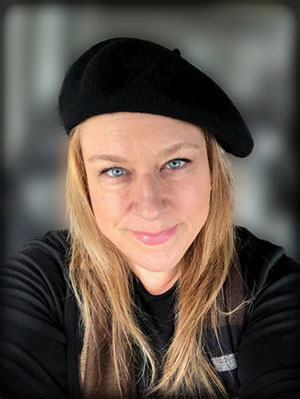
Gena Suarez, publisher of The Old Schoolhouse Magazine

Hey, Mama!

Gena Suarez, Publisher of TOS


Math is Hard—Teach It Anyway

Hey, Mama!

I’m going to be honest with you. Math is not my thing. It never has been. When I was nineteen years old, I had my heart set on a career in medicine. I wanted it badly. But when I looked at what stood between me and that white coat, it was math, and I was terrified. So I walked away.

I’ve wondered about that decision more than once over the years.

What I know now that I didn’t know then is that fear is a terrible teacher. It tells you that you can’t before you’ve even tried. “For God hath not given us the spirit of fear, but of power, and of love, and of a sound mind” (2 Timothy 1:7). That’s the promise we stand on, even over a math book.

Here are a few things I’ve learned along the way. Don’t rush the foundation. If they don’t own the basics, everything above it wobbles. Use manipulatives with the little ones because touching and counting beats staring at a page. Let video instruction carry some of the weight, since a different voice explaining the same concept can unlock something you couldn’t. And don’t let your own math fear become theirs. Keep your face neutral even when you’re struggling inside. Or, if all else fails, do what I did: teach literature at your local Schoolhouse Co-op while your own kids take math from the smartest math mom-teacher there. (Grin)

SchoolhouseTeachers.com has math covered from kindergarten counting all the way through calculus, with options for every kind of learner. If math has felt like a wall in your homeschool, there’s real help waiting there.

You’re not failing at math. You’re just not done yet.

His hand is on your head, Mama. Always.

—Gena

(Copy this link to share this article with a friend.)


GUEST CONTRIBUTOR


Art and Astronomy Retreats 
Montaukglamping.com

The Value of Teaching Astronomy

Astronomy is first a gateway to further learning for young learners. A sense of wonder is among the best possible motivations for learning; “affective gains precede cognitive gains.” In particular, astronomy is a gateway to mathematics, which is already a prerequisite for most vocations. And even elementary astronomy gets into math pretty quickly. It was a big part of the reason human beings started doing math in the first place, to keep track of the seasons for large-scale agriculture.

Some people enjoy mathematics so much that they find it worth learning about and doing for its own sake, but for most of us, it’s a means to an end. For those responsible for directly educating their own children, the end is not only to make them well-rounded people, but capable of supporting themselves and others. The higher purpose is that they be givers, not just receivers; producers, not just consumers. Astronomy supports that as a foundational element of a classical education, particularly to impart what the ancient Greeks called dianoia (διάνοια), the knowledge of mathematical and technical subjects through discursive thinking—proceeding by reasoning or argument rather than intuition. As technology pervades our daily lives, dianoia will be not merely important, as it already is today, but essential.

About the author

Jay Manifold, a longtime member of the Astronomical Society of Kansas City (https://askc.org) is a former Vice-President, Board member, and Education Director of the organization. A volunteer and keyholder at Powell Observatory (Louisburg, KS) for over 20 years, he has delivered hundreds of presentations on astronomy to groups ranging from Cub Scout packs to community college classes. He offers a variety of astronomical workshops; e-mail <aquila.astronomy@gmail.com> or text (573) 537-2347 to request prices and scheduling.         Montaukglamping.com


Todd Wilson

Be Flexible!


When looking at the question, “Why is math so hard?” I realize it is an inaccurate question. The truth is, math is easy for some people. I’ve met kids and adults who can add strings of numbers, divide large numbers in their heads, and do magical things with fractions that escape me.

They would say, “Math is easy. All you need to do is see the numbers this way, line them up like this, or do this simple calculation.” They might even assert that, “Anyone can do math!”

Wrong-o! Not everyone can do math. In fact, I think the question should be worded, “Why is math so hard for me?” . . . or maybe, “Why is math so hard for my child?” 

For me, the answer is simple to grasp and state—because some people are not math people. They don’t see math like math people do. The numbers don’t make sense and certainly are never easy.

That said, most people can learn to add, subtract, multiply, divide, and do simple fractions (I may be stretching that last one for us math-challenged folks). Oh, I took plenty of math during my school years (advanced calculus in college). I even got good grades, but I never really got it, and attribute my good grades to the gift of guessing. I couldn’t even solve a simple fractions problem now and that’s okay.

So here’s my answer to your question, “Why can’t my kid get math and what am I supposed to do with him?” 

Answer one: He’s not a math kid. Accept that and back off.

Answer two: Be flexible and find a math program that might work for him—something like Teaching Textbooks. My brilliant math wife used an abacus with one of our children who struggled with math and it clicked. So don’t just keep using what worked with your math kids. Try something different.

Be real,
Todd

(Copy this link to share this article with a friend.)

About the author

Todd Wilson is a dad, granddad, writer, conference speaker, and former pastor. Todd’s humor and down to earth realness have made him a favorite speaker at homeschool conventions, retreats, and churches across the country. As founder of Familyman Ministries and the Smiling Homeschooler, his passion and mission are to remind dads and moms of what’s most important through weekly e-mails, podcasts (The Familyman Show & The Smiling Homeschooler), seminars, and books and products that encourage parents. Todd, and his wife Debbie, still homeschool two of their eight children (six have graduated with four married) in northern Indiana. You can read more at www.familymanweb.com.


Alexandria Letkeman

Mastery vs. Perfection in Math

If math time in your house sounds like, “Uuughh! Mom, do I have to?” you’re not alone in that! Math is one of those subjects that keeps homeschool moms up at night. One question I hear often goes something like this: “My son understands the material, but he keeps making careless mistakes. Should I make him redo the work until he gets a perfect score?”

I love that question because it gives me a chance to talk about something really important: mastery is different than perfection.

I make little arithmetic errors when I balance my budget for the month. I have to find them, fix them, and balance it again. Yet I do believe I have achieved mastery over addition and subtraction!

When a student gets something wrong, works it back through, and figures out where they went off track, that’s mastery in action. Having your child correct their mistakes is a great strategy. Honestly, fixing errors is tedious enough that it naturally encourages more care the first time around! Just don’t jump from requesting being “cautious” to expecting “perfection.” Striving for perfection can cause strife and possibly rebellion, because we all know, intuitively, that we can’t be perfect.

Remember that enthusiasm is contagious. If you don’t love math, your dread of it will seep into your child, and they’ll feel dread over math, too. Maybe your child needs a tutor who is passionate about math to reignite their passion for math!

Aim for mastery, but give your child the grace to be human.

(Copy this link to share this article with a friend.)

About the author

Alexandria Letkeman began homeschooling with her family in middle school and has recently graduated with honors in 2020. Together with her husband, she has developed a passion for financial literacy, classical writing, and the freedom that homeschooling provides. In pursuit of those passions, she and her husband aim to continue the legacy of The HomeScholar and continue helping homeschool parents homeschool with confidence. One day, Alex plans to start a homesteading farm in Texas featuring mini cows.


Carolyn VanGorkom


When Math Overload Sets In 

Watching my homeschooled kids wrestle with math taught me that struggle often reflects overload, not inability.

Arithmetic trains students to follow steps and get answers. Algebra asks something different. It asks students to understand the structure underneath the calculation—and then work backward without breaking it. That shift feels counterintuitive to many learners.

Algebra isn’t linear; it’s layered. Each new concept assumes fluency with the prior ones. Miss one layer, and everything above it feels arbitrary. Students aren’t just “doing harder math”—they’re being asked to reverse-engineer processes they were taught only to execute in a forward manner.

That’s why grounding concepts matter. The balance model helps students see equations as equal weights, not commands to calculate. Factoring becomes rewriting without changing value—the same weight, a different shape. Even tools like PEMDAS aren’t trivia; they’re the grammar of math, showing which steps must stay intact and which can be undone.

The difficulty is even worse when number facts never become automatic. By the time students reach algebra or geometry, they have to untangle every step at once. In that context, using a calculator for simple multiplication isn’t failure—it’s triage. It preserves mental energy so students can engage the higher-level thinking that algebra and geometry require.

Math is hard, not because students are incapable, but because the structure is invisible until someone reveals it—through balance models, clearly posted core rules like the Order of Operations, and tools that reduce mental load so students can focus on understanding rather than recall.

(Copy this link to share this article with a friend.)

About the author

Carolyn VanGorkom lives in northern California with her worship-pastor husband and two children, both homeschool graduates. Before homeschooling, she was a credentialed math teacher. She joined SchoolhouseTeachers.com as a lesson designer and quality assurance manager. She is currently the director. Her other interests include music, writing, and history.


A FREE Simple 5-Day plan to help you lead your child to the cross this Easter. There is no better way to cement the story of Christ’s journey to the cross than to create “stations” where each event has something interactive to do, something thought-provoking to read, and something to make or take. Each day will go over setting up each “station” and the Scriptures covered, including planning ideas to help your church, homeschool group, or personal family devotion time create a meaningful and memorable Easter celebration.


A division of The Old Schoolhouse®

SchoolhouseTeachers.com Corner
Did you know?
Every class is INCLUDED for ultimate members! 
No limits.

April is Mathematics Awareness Month! Math is integrated into everyday life, and the right math curriculum can be transformative for struggling students. SchoolhouseTeachers.com can put the right resources in your hands. Check out the Focus on Math Learning Center, where you’ll find full math curricula, fun eclectic math courses and ideas, and even a How to Teach Elementary Math course for parents! Find all of the courses, resources, and tips and tricks at SchoolhouseTeachers.com!


Starting homeschooling for the first time can feel overwhelming—but it doesn’t have to be. The Bright Beginnings Kit from SchoolhouseTeachers.com was designed with first-time homeschool parents in mind. It brings together curriculum access, practical guidance, and encouragement so you can move forward with confidence instead of doubt. As part of our 250 Days Before 250 Years: Countdown to Freedom, this kit is available at a special birthday price 🎉 🟦 Code: BIRTHDAY250 (already applied at checkout!) 👉 Begin your homeschool journey here: https://schoolhouseteachers.com/checkout/?pmpro_level=11&pmpro_discount_code=BIRTHDAY250


Struggling with how to teach math in your homeschool? Whether your child is behind in math, bored with curriculum that’s too easy, or frustrated with lessons that feel too hard, the key is teaching at the right level. Homeschool math doesn’t depend on whether you’re a “math person.” It depends on having the right plan and support. Find encouragement, expert homeschool guidance, and real-life strategies inside the TOS HomeRoom.


We have a lot of freedom to educate our children in the way we see fit. Many parents weren’t happy with the content of the school curriculum and realized they could do a better job themselves. Find Homeschooling in the United Kingdom, or download the app at TOSApps.com.


FREE PDF Download

The Value of Homeschool Conventions – The Old Schoolhouse® 

In the pages of this FREE WeE-book™, you’ll find answers to your questions and important insights, guiding your path to that rewarding homeschool convention experience.


Share this newsletter with a friend, and be sure to let those CONSIDERING homeschooling know about the enormous FREE info-pack which awaits them here: www.TryHomeschooling.com.


We Want Your Feedback!
If you liked today’s Homeschool Minute, please email the editors and tell us what part you liked most. It’s a huge blessing to receive feedback! 
Please add publisher@theoldschoolhouse.com to your email contacts so that our emails to you don’t land in spam.
Go Back To The Top

DISCLAIMER: The Old Schoolhouse® and its staff do not necessarily endorse or agree with the articles, images, advertisements, or other content appearing in The Homeschool Minute, on any linked website, or otherwise. The views and opinions or other matters expressed in this newsletter are not necessarily those of the publishers, editors, staff, contractors, associates, or other affiliates of The Old Schoolhouse® 

Share this post:

Share on Facebook Share on Pinterest Share on LinkedIn Share on X (Twitter) Share on Pocket Share on Email

Leave a Reply Cancel reply

Your email address will not be published. Required fields are marked *

Recipe Rating


This site uses Akismet to reduce spam. Learn how your comment data is processed.

The Old Schoolhouse® Magazine to Go

Never be without homeschool help again!

www.TOSApps.com

The Old Schoolhouse Magazine, Educational Materials  Home Schooling, Gray, TN
Login
  • GET SOCIAL

© 2001- 2026 The Old Schoolhouse®

All Rights Reserved.

TOP